A brief History
Early Beginnings (1830s-1840s):
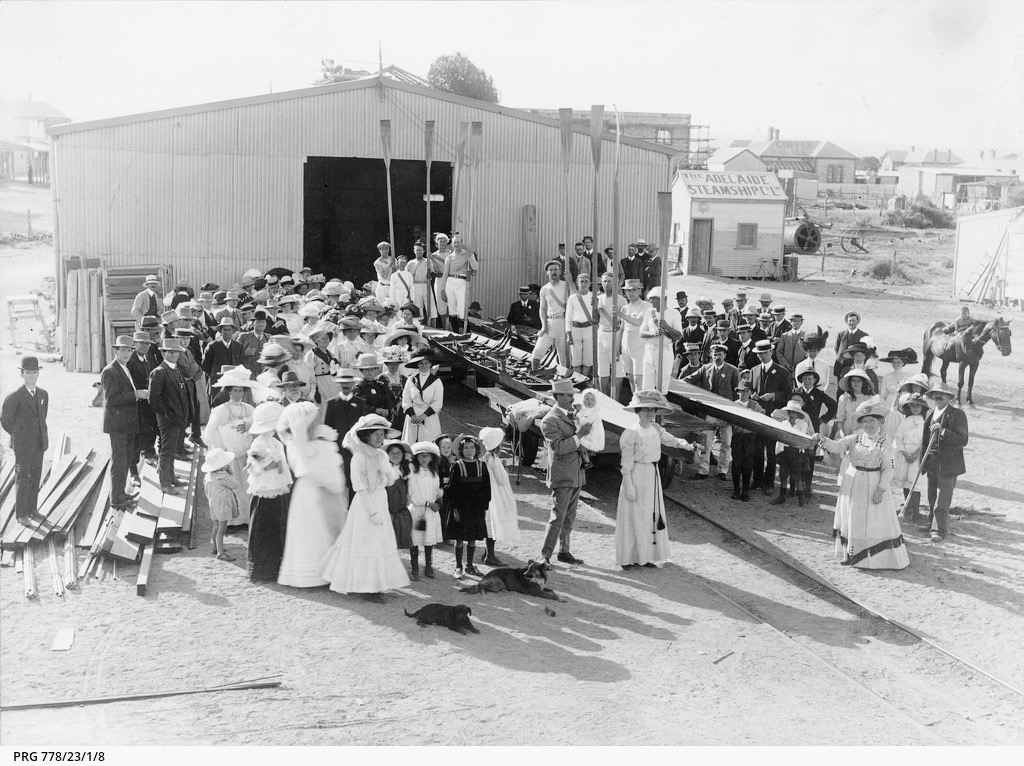
Rowing activities in South Australia can be traced back to the 1830s. The regatta held at Kingscote Harbour in May 1836, before the official landing at Glenelg, marked the early interest in the sport. Two races were organized during this event—one for whale boats and another for square-sterned boats. It was a significant celebration that showcased the South Australian Company’s schooner “John Pirie” and H.M.S. “Pelorus,” along with other vessels. This event is considered one of the earliest recorded rowing competitions in South Australia.
Emergence of Rowing Clubs (1860s):
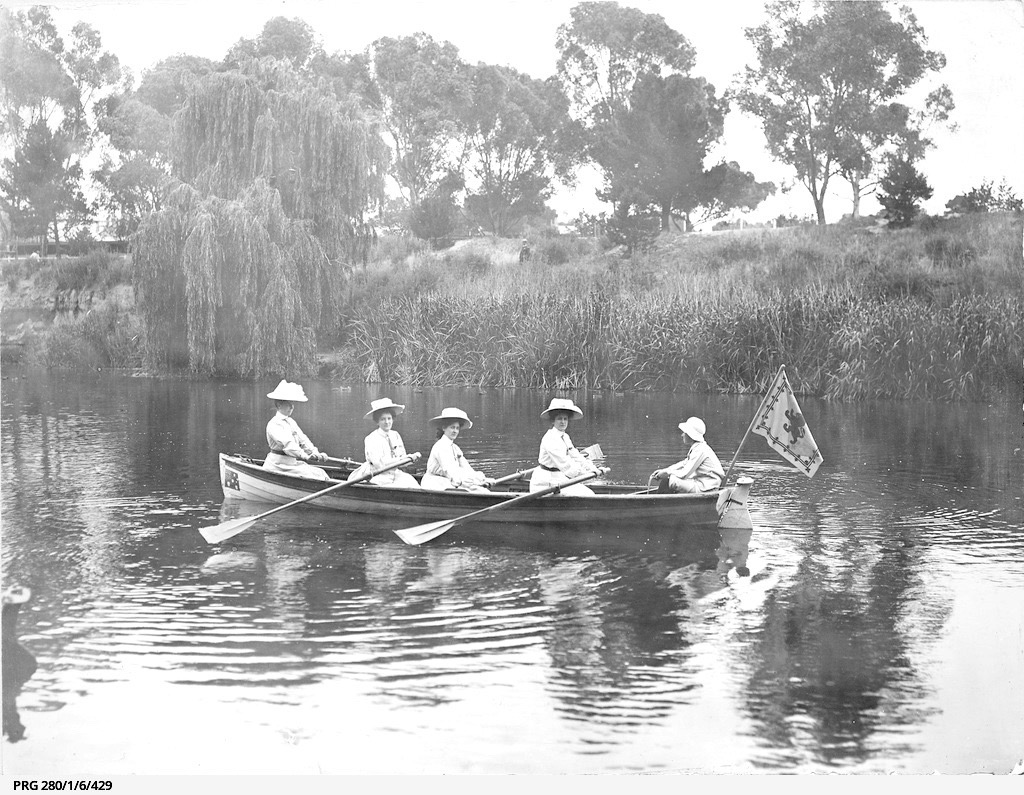
Rowing gained popularity in the mid-19th century, with the formation of rowing clubs. The first rowing club in Adelaide, the “Black Swan Club,” was established in 1867. This club had a four-oared outrigged boat called a racing gig named “Edith,” originally owned by W.H. Hopkins. The boat was later renamed “Black Swan.” This marked the formalization of rowing as an organized sport in South Australia.
Expansion and Competitions (Late 19th Century):
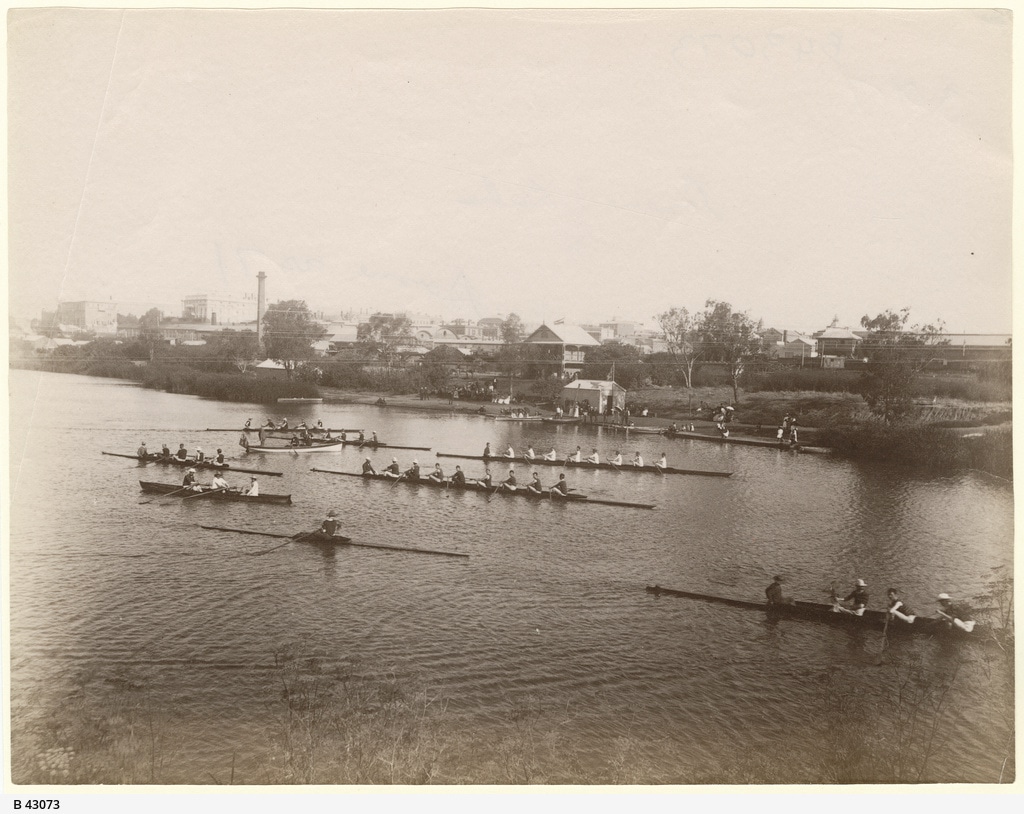
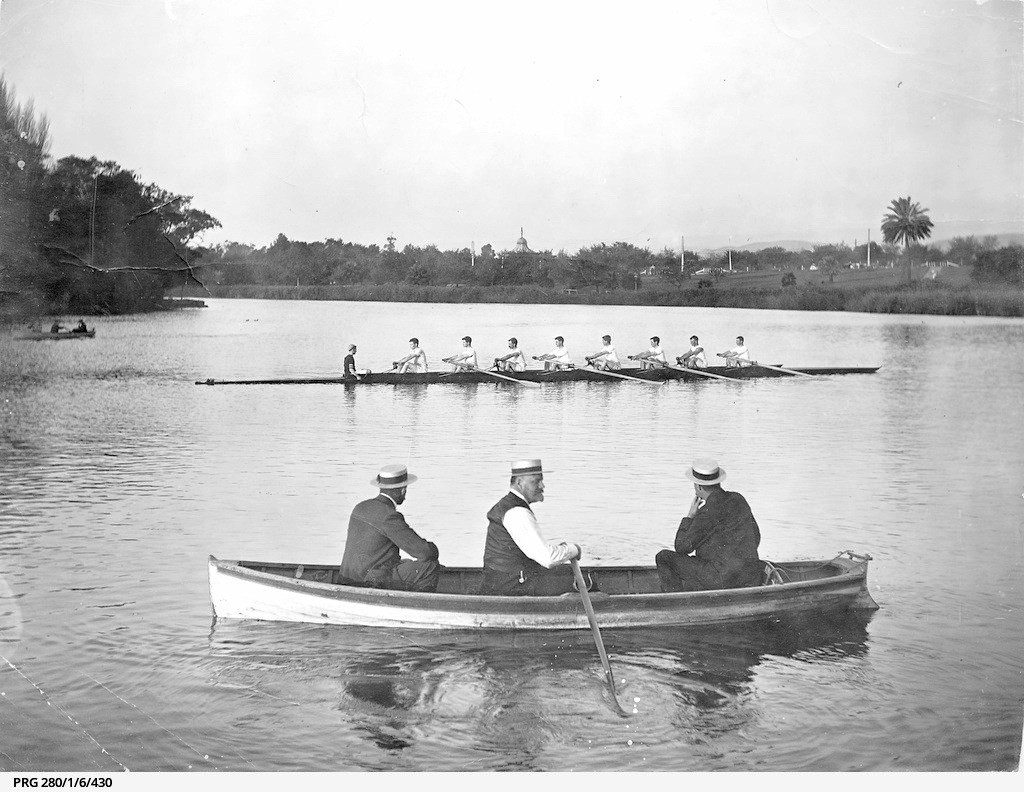
During the late 19th century, rowing clubs and competitions became more prominent. The sport continued to grow, and regattas were organized on various rivers and harbors in South Australia. The Adelaide Rowing Club, formed in 1882, and other rowing clubs, contributed to the development of the sport.
Henley-on-Torrens:
One of the most iconic events in South Australian rowing history is the “Henley-on-Torrens.” This event was inspired by the famous Henley Royal Regatta in England. The first Henley-on-Torrens regatta was held in 1920 and quickly became a beloved tradition in South Australia. It featured various rowing races and attracted crowds of spectators.
Modern Era:
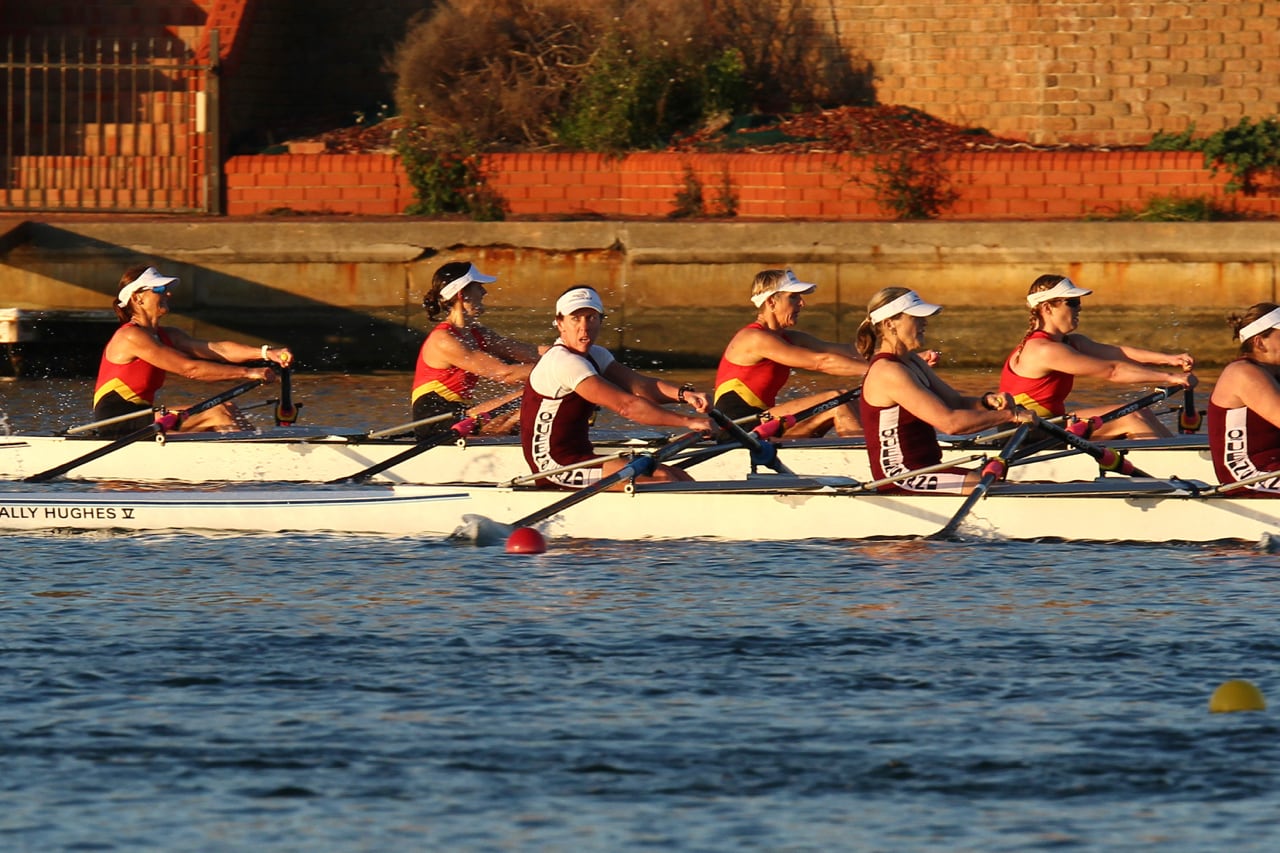
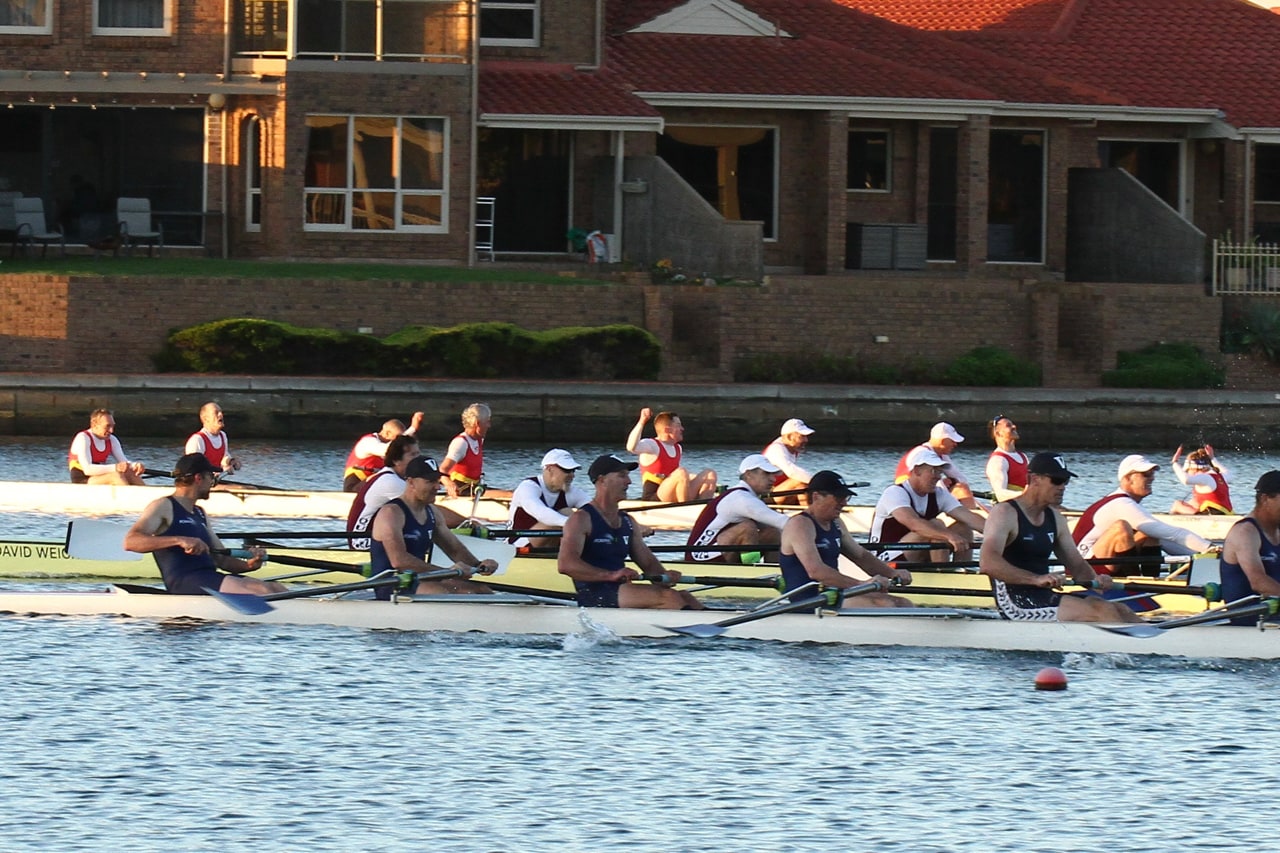
Rowing in South Australia continued to evolve in the 20th and 21st centuries. The sport expanded to include both recreational and competitive rowing, with clubs and associations catering to rowers of all levels. South Australia has produced talented rowers who have represented the state and the nation at various national and international competitions.
Prominent Clubs:
Several rowing clubs have played significant roles in the history of rowing in South Australia. These include the Adelaide Rowing Club, Torrens Rowing Club, and others that have been central to the growth and development of the sport.
Today, rowing in South Australia is not only a competitive sport but also a recreational activity enjoyed by many. The history of rowing in the state is a testament to the enduring appeal of this water sport and the role it has played in the cultural and sporting heritage of South Australia.
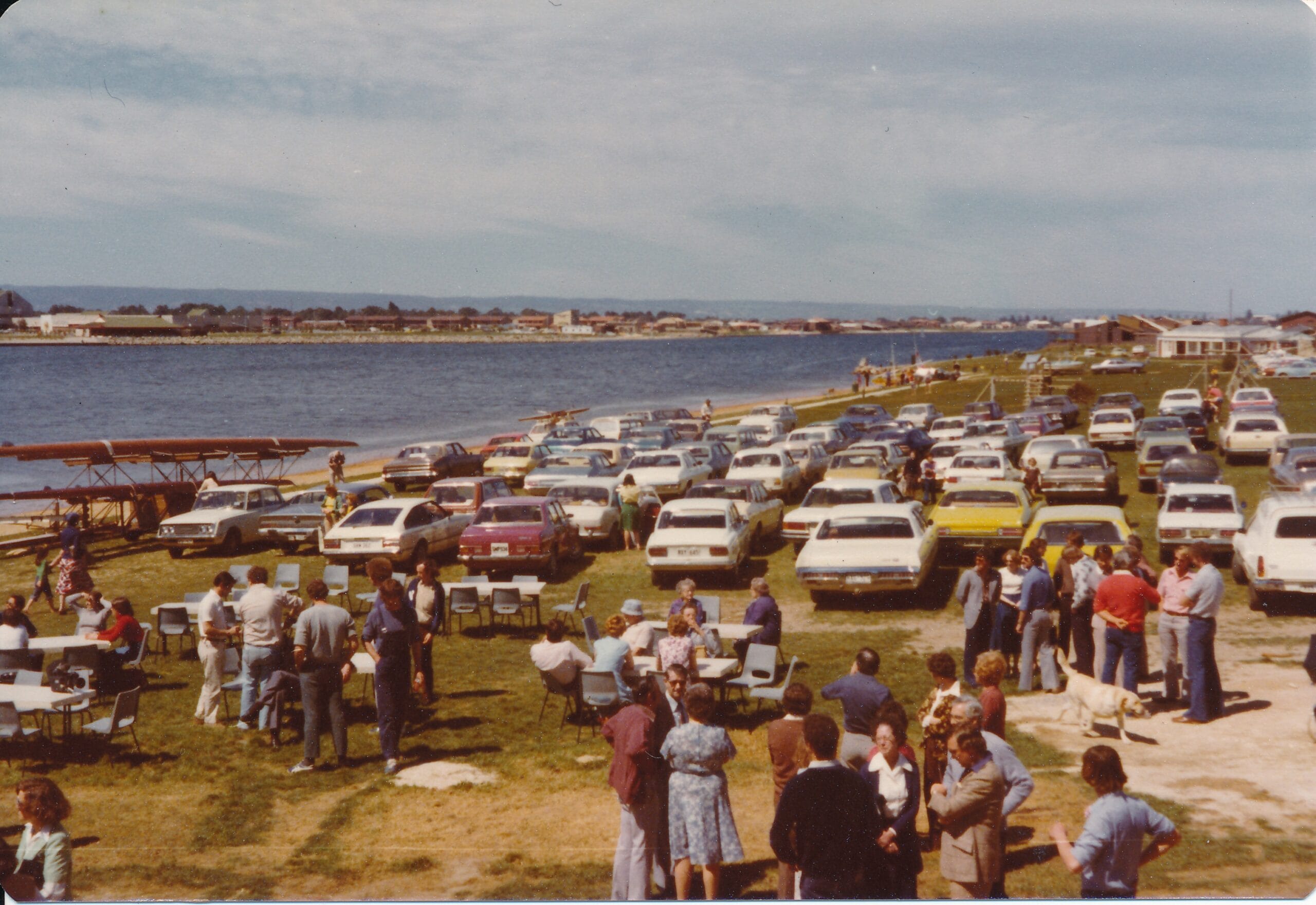
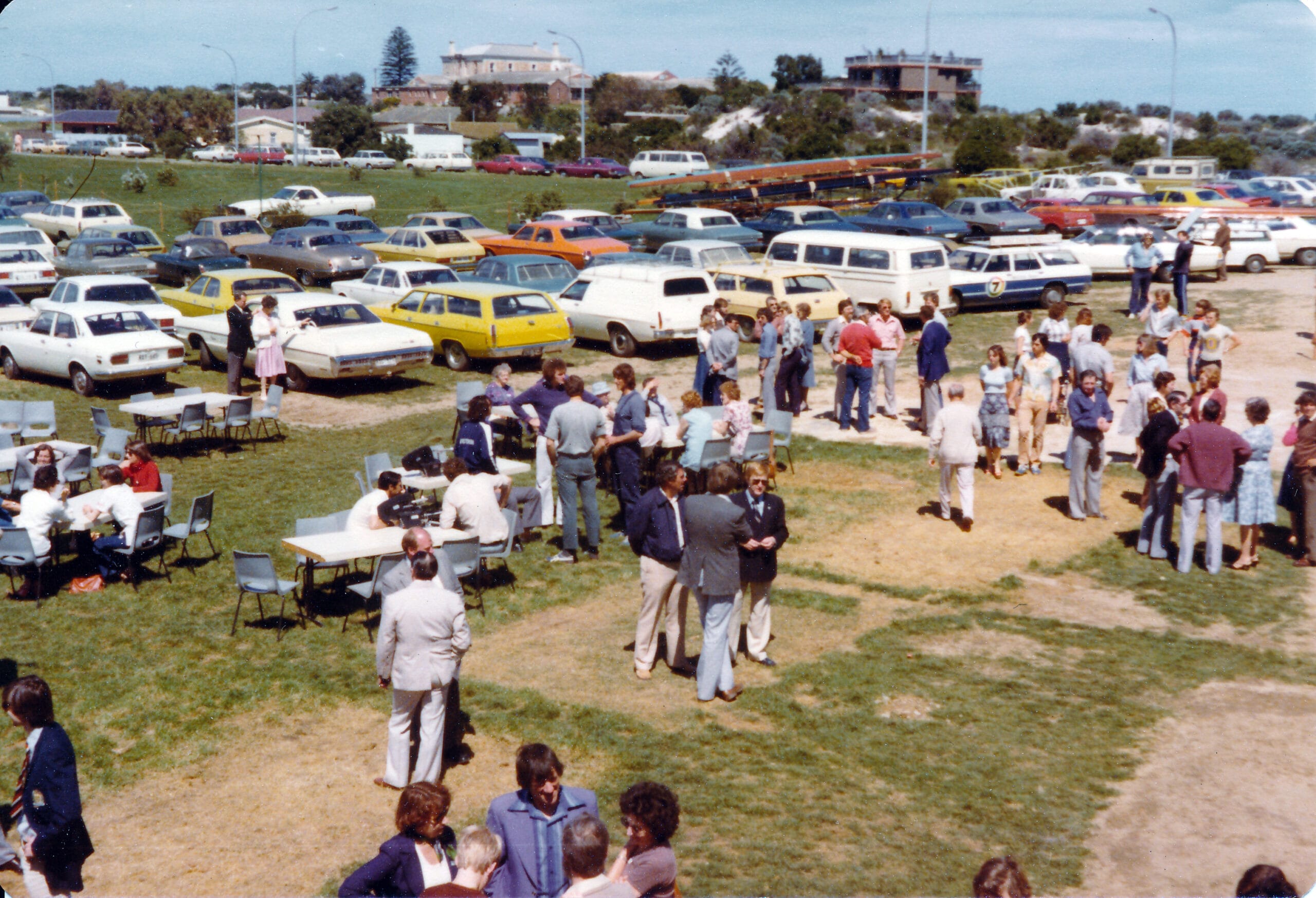
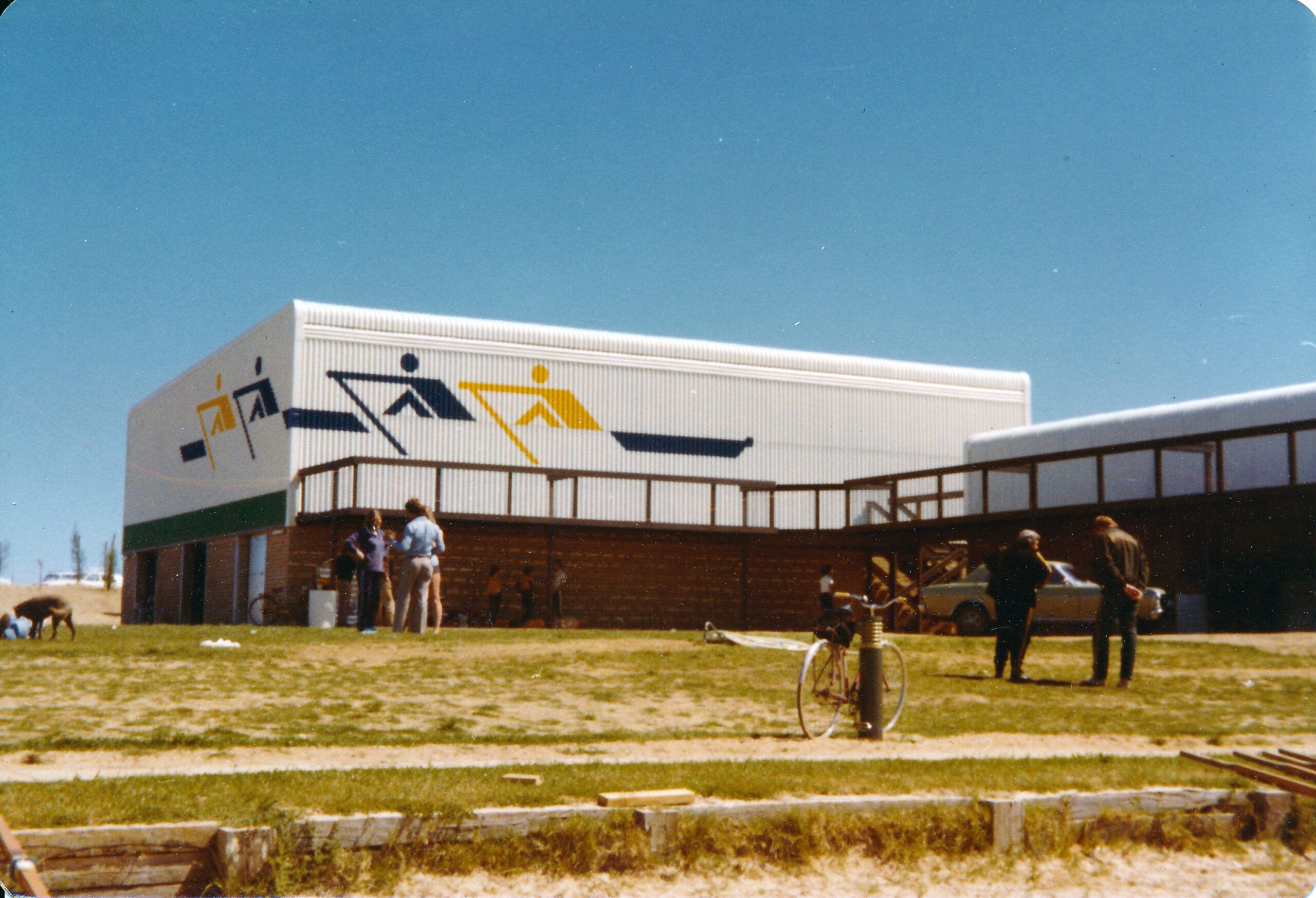
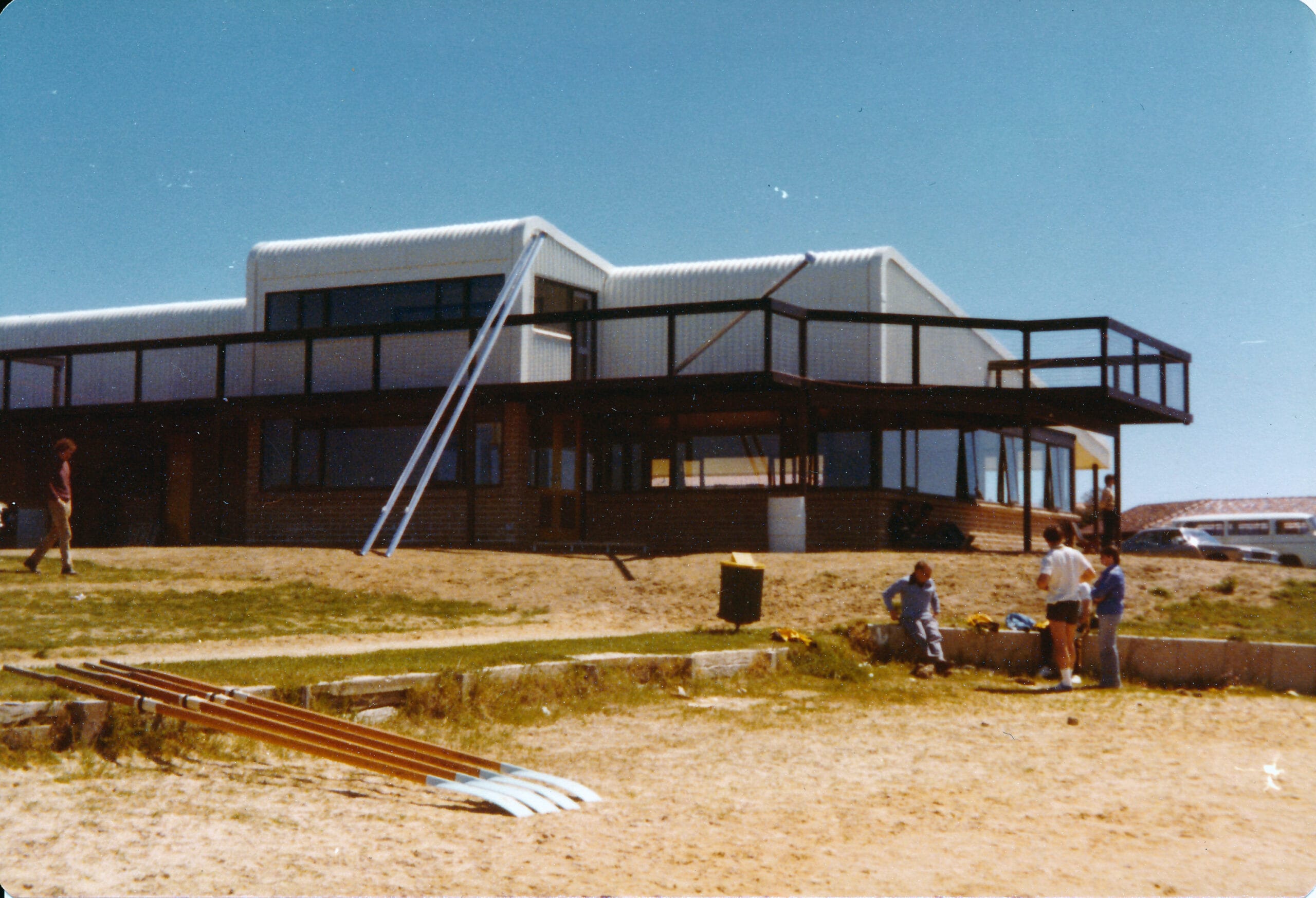
The rowing course at West Lakes, also known as the AM Ramsay Regatta Course, was installed as a result of the combined efforts of various stakeholders, including the South Australian Rowing Association (SARA) and the government. The development of the rowing course at West Lakes began in the mid-1970s.
Andrew Murray Ramsay (AM Ramsay), after whom the regatta course is named, was a prominent South Australian rower who played a significant role in advocating for the establishment of a rowing venue in West Lakes. He was instrumental in promoting and fundraising for the project. The course was named in his honor to acknowledge his dedication to the sport.
The South Australian government and various local authorities provided the necessary support and funding for the construction of the rowing course. The course was designed to meet international rowing standards and serve as a venue for rowing competitions and regattas, both at the state and national levels.
The AM Ramsay Regatta Course at West Lakes has since become a central and well-regarded rowing venue in South Australia, hosting a wide range of rowing events and serving as a training ground for rowers in the region. Its establishment and success are a result of collaborative efforts among rowing enthusiasts, government bodies, and the wider community.
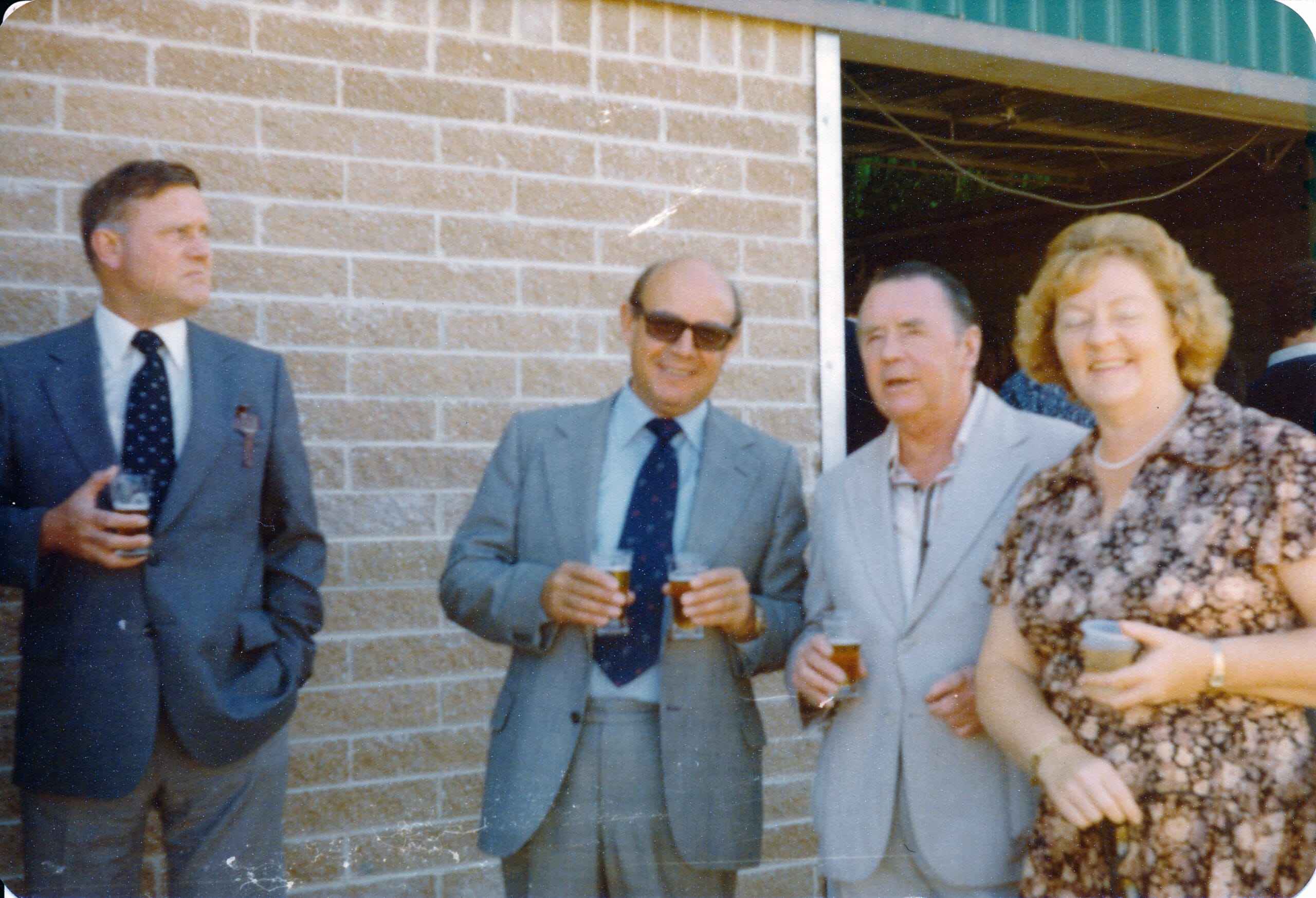
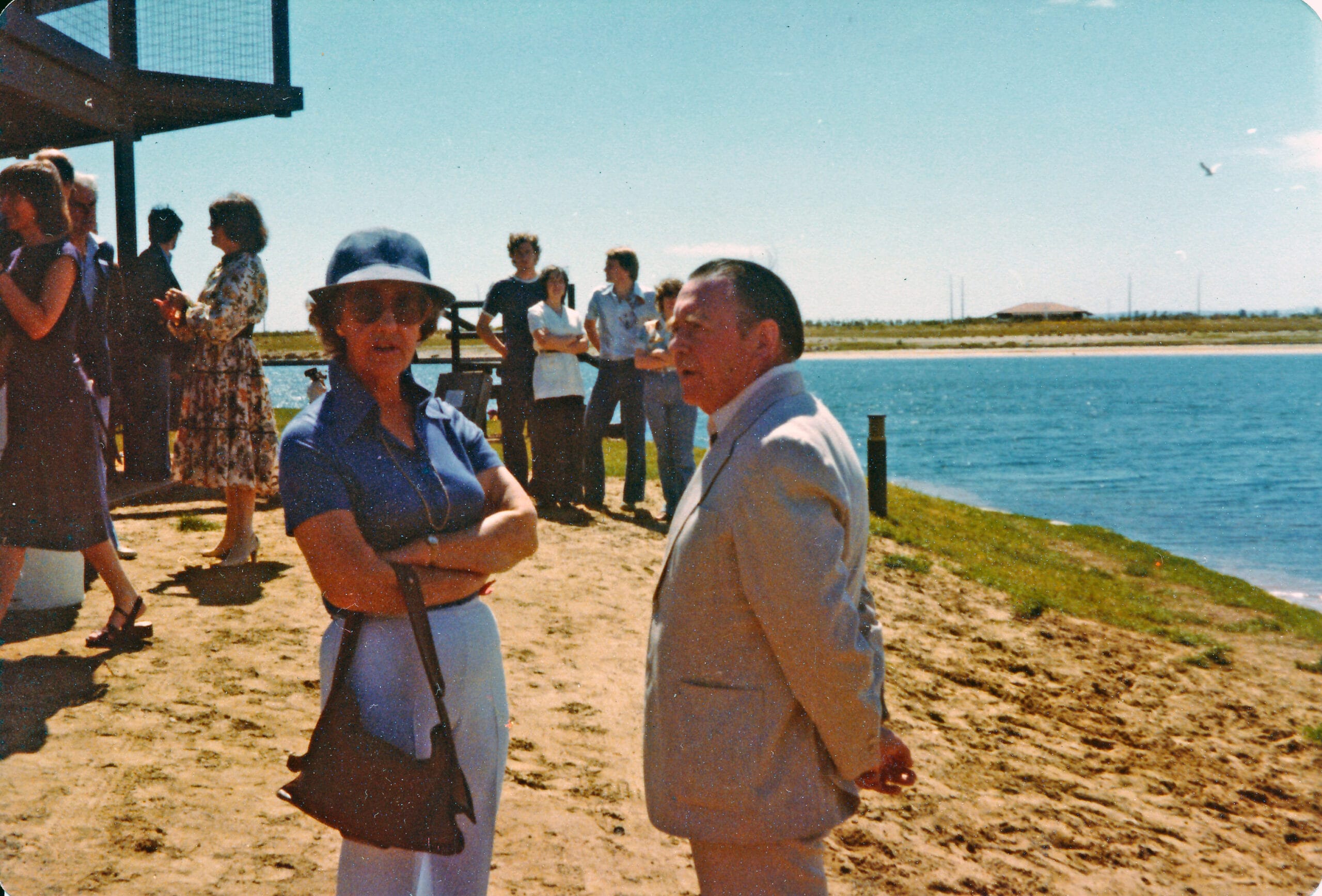
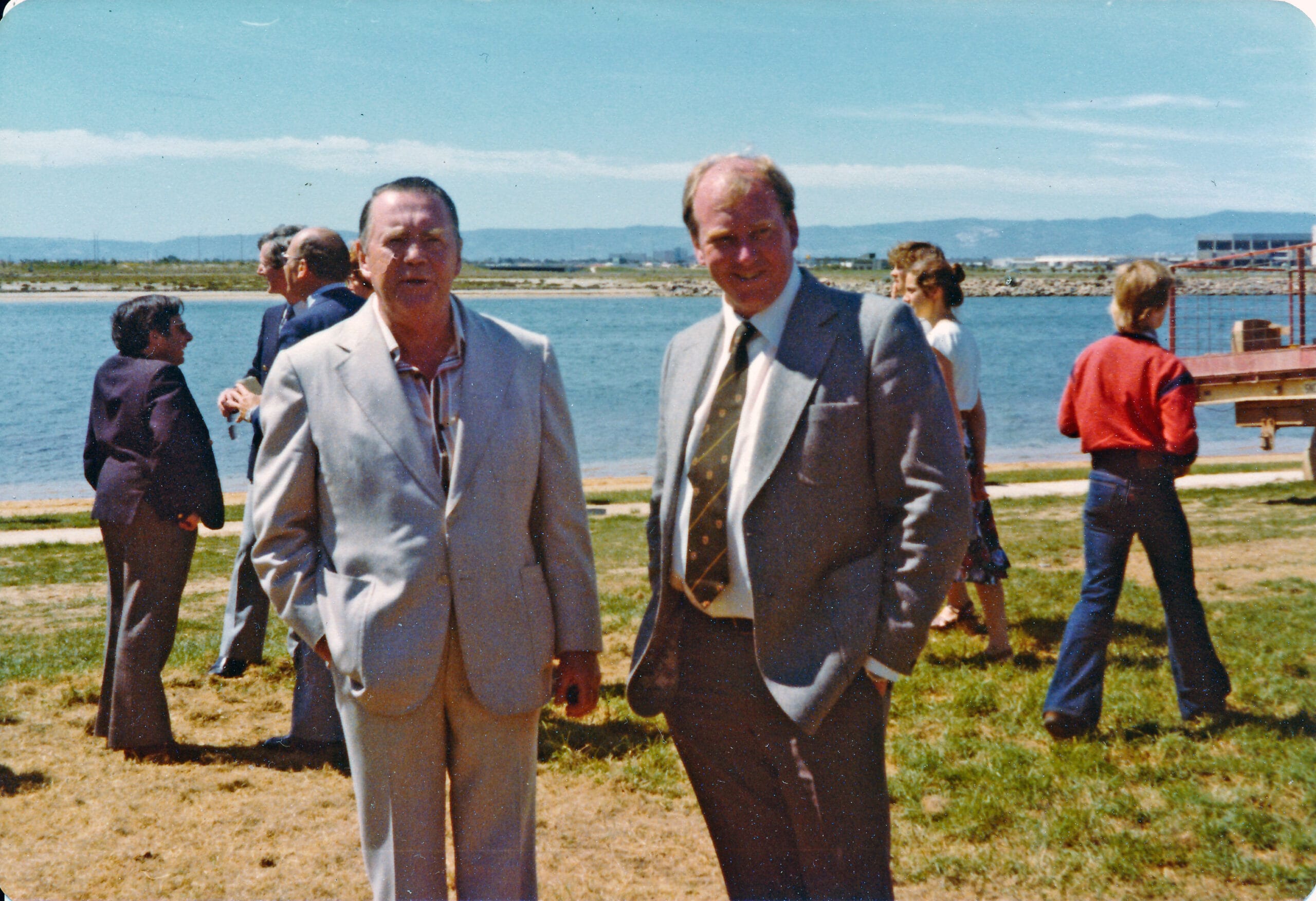
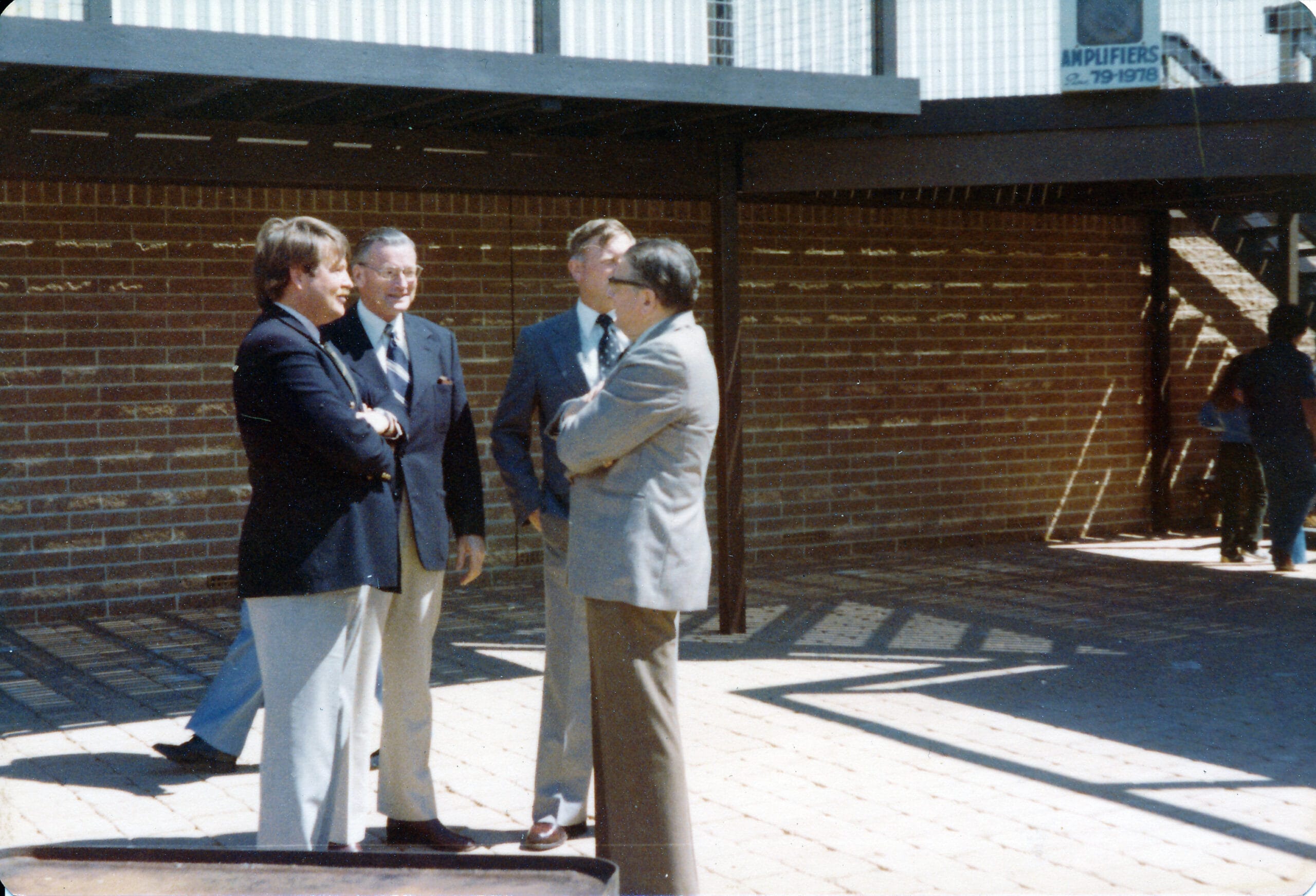
Boathouse opening - West Lakes 1978